Areas of Research
Stem Cell and Regenerative Biology
Faculty: Bhattacharyya, Blanc, Blum, Brand, Bresnick, Dilworth, Kang, Lo Sardo, Poss, Sridharan, Tamplin, and Wellik
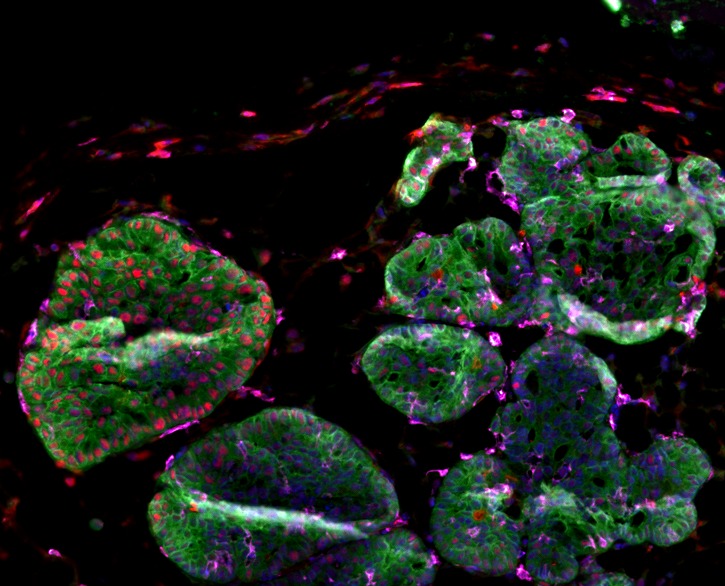
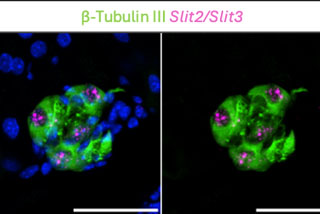
The stem cell and regenerative biology group is closely aligned with the Developmental Biology group, and studies how development elaborates and aging dissipates the cellular patterning of humans. Specific areas of focus include (i) mechanisms that restrict the developmental potential of pluripotent stem cells to specific lineages; (ii) mechanisms that underlie reversal of cell differentiation states; (iii) mechanisms of interconversion between stable cell differentiation states.
Human iPSCs
Faculty: Bhattacharyya, Blum, Kamp, Lo Sardo, Slukvin, and Sridharan
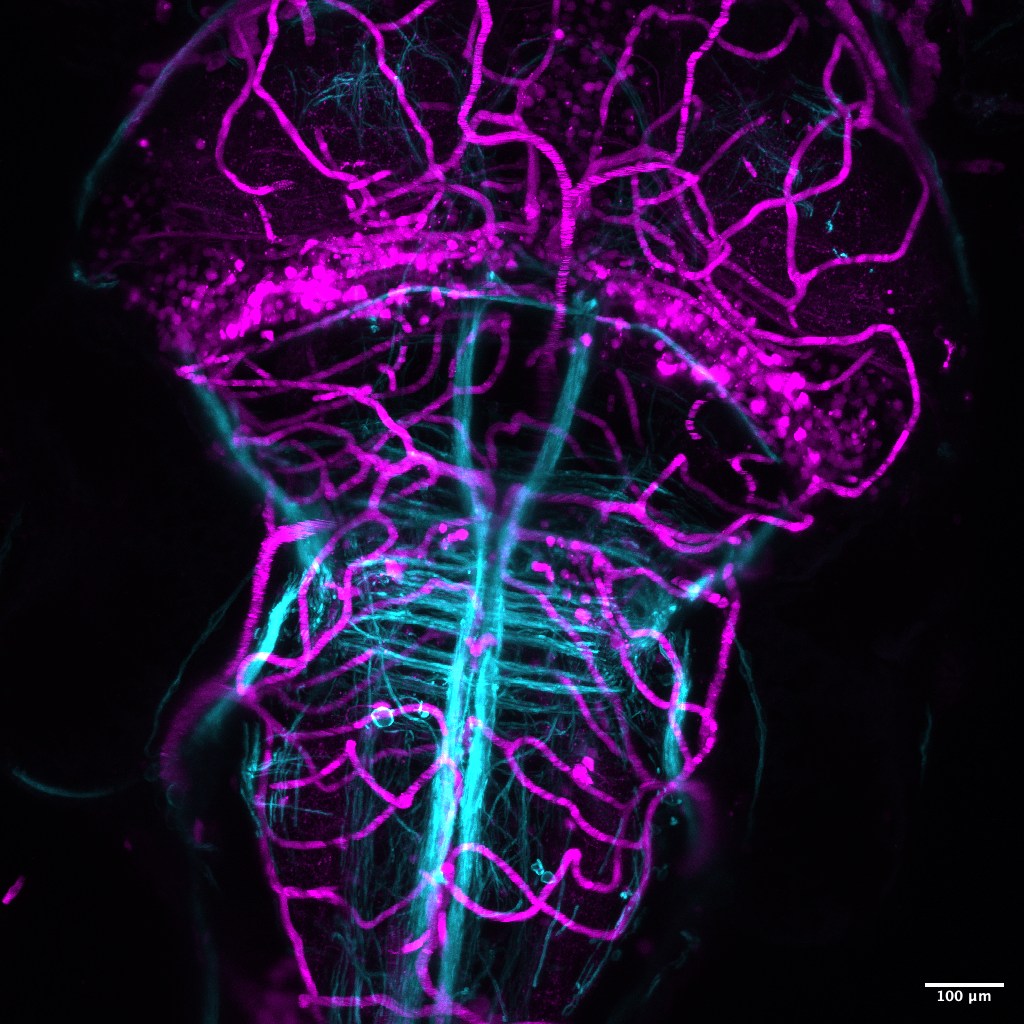
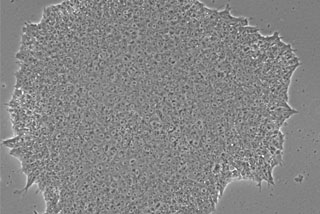
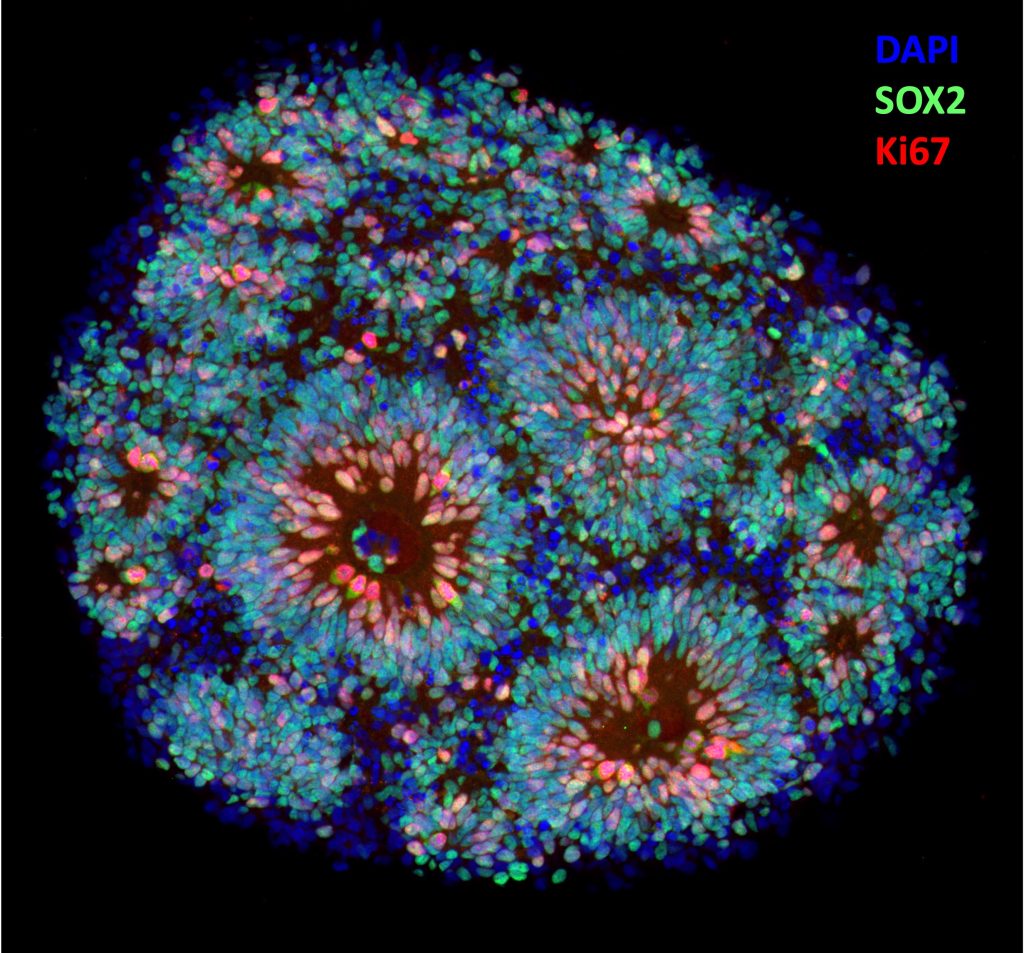
The multidisciplinary Human iPSCs group integrates genetics, genomics, disease modeling, and bioengineering approaches. The group leverages the power of human induced pluripotent stem cells (iPSCs) and their derivatives—including neural, vascular, cardiac, pancreatic, and hematopoietic cell types—to investigate human development, the mechanisms of both monogenic and complex diseases, disease susceptibility, human genetics, and evolution.
Participating laboratories are also developing innovative tools and strategies for tissue modeling and repair, as well as gene therapy approaches and genome engineering techniques.
Developmental Biology
Faculty: Bhattacharyya, Blum, Boekhoff-Falk, Bresnick, Griep, Haynes, Kang, Nance, Poss, and Sridharan
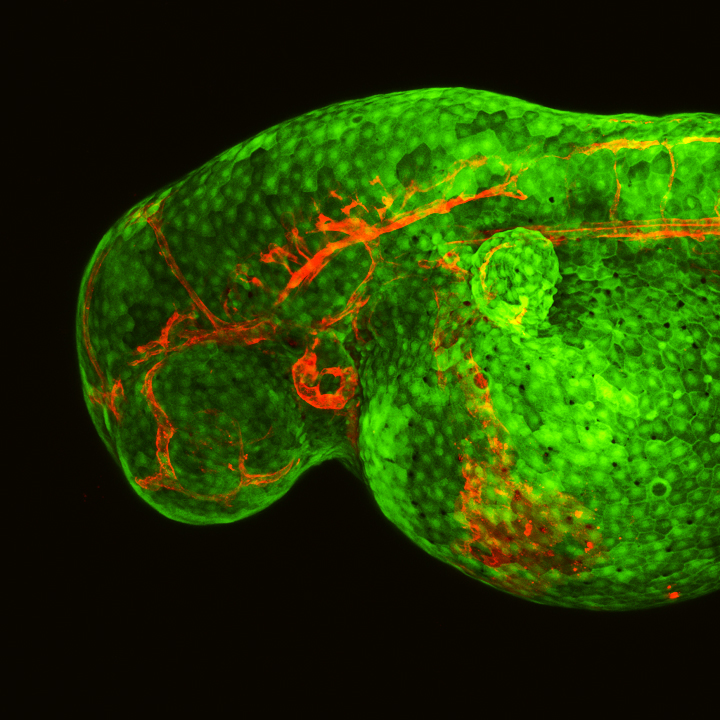
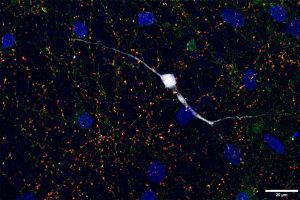
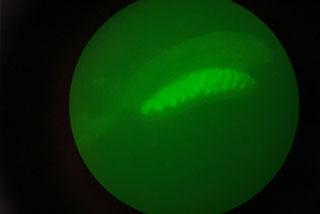
The developmental biology group uses whole animal systems to study the molecular basis of organ and tissue development. Specific areas of focus include (i) embryonic pattern formation; (ii) development of tissues and organ systems, with particular focus on development of olfactory and auditory organs; development of the eye; development of the heart; development of the hematopoietic and vascular systems; development of the liver; and (iii) perturbations of developmental processes, leading to birth defects.
Aging
Faculty: Blanc, Colman, Dilworth, and Haynes
Several faculty have research programs that focus on Aging, investigating the cellular and molecular mechanisms that drive age-related declines in tissue function and regenerative capacity, and how these processes can be modified to promote healthy aging. Using complementary models ranging from zebrafish and mice to primates and humans, we study how stem cell function, metabolism, inflammation, and tissue microenvironments change across the lifespan. Specific areas of focus include (i) the reversibility of age-related epigenetic and metabolic changes in stem cells; (ii) the role of immune cells and inflammation in the age-associated decline in tissue function; and (iii) how nutrient availability and metabolic excess influence stem cell function and regenerative capacity in aging.
Molecular and Cellular Biology/Pharmacology
Faculty: Bresnick, Ge, Haynes, Kumar, Nance, Ponik, Sridharan and Weaver
The multidisciplinary molecular and cellular biology/pharmacology group studies molecular mechanisms that underlie normal and stress-induced cellular processes. Specific areas of focus include (i) signaling pathways relevant to cancer; (ii) molecular mechanisms that regulate gene expression during cell differentiation; (iii) extracellular controls of cellular behavior; (iv) identification and characterization of drugable targets for human diseases; (v) mechanisms of action of drugs in biological systems.